The Versatility of Playing Cards

The other day I was in a waiting room with a friend, waiting, when I realized I should have brought a deck of cards. When you have a deck of cards, you can play all sorts of games. Now, I am a bit out of practice. In fact, I can’t remember half the rules to half the games I used to know. But I can remember enough to play Hearts (sort of), or Five Card Draw Poker (probably), or (shudder) War.
Cards with educational illustrations
When I was a kid, my mother taught me how to play Pounce, which is like double solitaire except that you only have four cards in front of you to build on, and you have a pounce pile of thirteen cards to get rid of. We madly slapped cards into the common area, building on aces, and I always got hung up on trying to get lots of cards in the center. As a result, my mother usually yelled, “Pounce!” first and I had to deduct twice the number of cards left in my pounce pile. That’s a lot of points, so I tended to lose.
When we stayed at my granny’s, we sometimes had enough people to play “Oh, Hell!” I’m sure it goes by other names as well, but “Oh, Hell!” was what you said when you found yourself taking more tricks than you had predicted you would take. (I don’t remember if we kids actually said that, but I’m sure my granny did.) I don’t remember the rules very well, except that you got a bonus for taking the number of tricks you predicted, or, if you went over, a bonus if you could take all the tricks, and the number of cards in hand changed each round, from thirteen down by odd numbers to one and then back up again. Or something like that.
My uncle liked solitaire, so sometimes when he was there he would demonstrate the many variations of that game. He laid out the cards in the shape of a triangle, or counted out different piles… I was never all that fond of solitaire and didn’t learn any of them well enough to remember them now, other than the basic seven-pile solitaire. But solitaire is a game you can play even if no one else is around, so it’s got that in its favor. And playing with cards rather than a computer gives you the option of cheating. Just a little, you know.
I could try to map out the timeline of my life in card games. In college, I learned some of the many variations of poker, including that silly one where you only have one card and you hold it on your forehead (I think that counts as poker–it’s a betting game, anyway.) As a newlywed, I learned cribbage, which was a lot of fun and which I have mostly forgotten again (points for adding up to fifteen, and also… series?… and marking points on the cribbage board, of course.) When my daughter was young, we occasionally played War (who doesn’t? and who keeps playing after they’ve learned something more exciting?) and then moved on to Go Fish and Crazy Eights. I don’t remember playing Crazy Eights as a kid, and I feel like I missed out. I like Crazy Eights, though I keep forgetting if you can play eights any time you want, or only if you can’t follow suit.
As my daughter and I made our way through the Nancy Drew computer games (by Herinteractive–I recommend these for mother-daughter pairs who like puzzles), we found ourselves playing Scopa with a character in The Phantom of Venice. Interesting game, with a forty-card deck and different suits. Then my daughter and friends started playing Slapjack at lunch in middle school. She showed me the game, though–again– I’ve forgotten the details, but the appeal was clear–slapping your hand down on a card faster than your opponent. Yeah, I can see how that would play well in middle school. They probably had bruised hands by the time they were done.
I don’t play card games very often (by which I mean games played with a regular fifty-two card deck, not other kinds of card games, like Munchkin). Even so, I love decks of cards. I admire their versatility. All you need is a standard deck, available at most drugstores, and you’ve got a whole world of games open to you. Not only that, but decks of cards, like chess sets, are a vehicle for art. I often buy them as souvenirs, figuring I can have photos of Biltmore or New England AND something to play games with.
Souvenir cards
We also have educational sets that illustrate sea creatures, birds, or flowers, and a cute set with hamsters. I have a set that offers optical illusions, a set that is basically a bunch of different pieces of art (not practical as it is very hard to tell what some of the cards are supposed to represent), as well as standard decks with ornamental backs.
Cards with interesting faces
For that matter, I still have the set I got when I was in fifth grade, with a yellow daisy deck and a red heart deck. It comes with its own box, which is nice, but if you don’t have a box for your cards, you can always make them a pretty tuckbox to keep them from getting scattered.
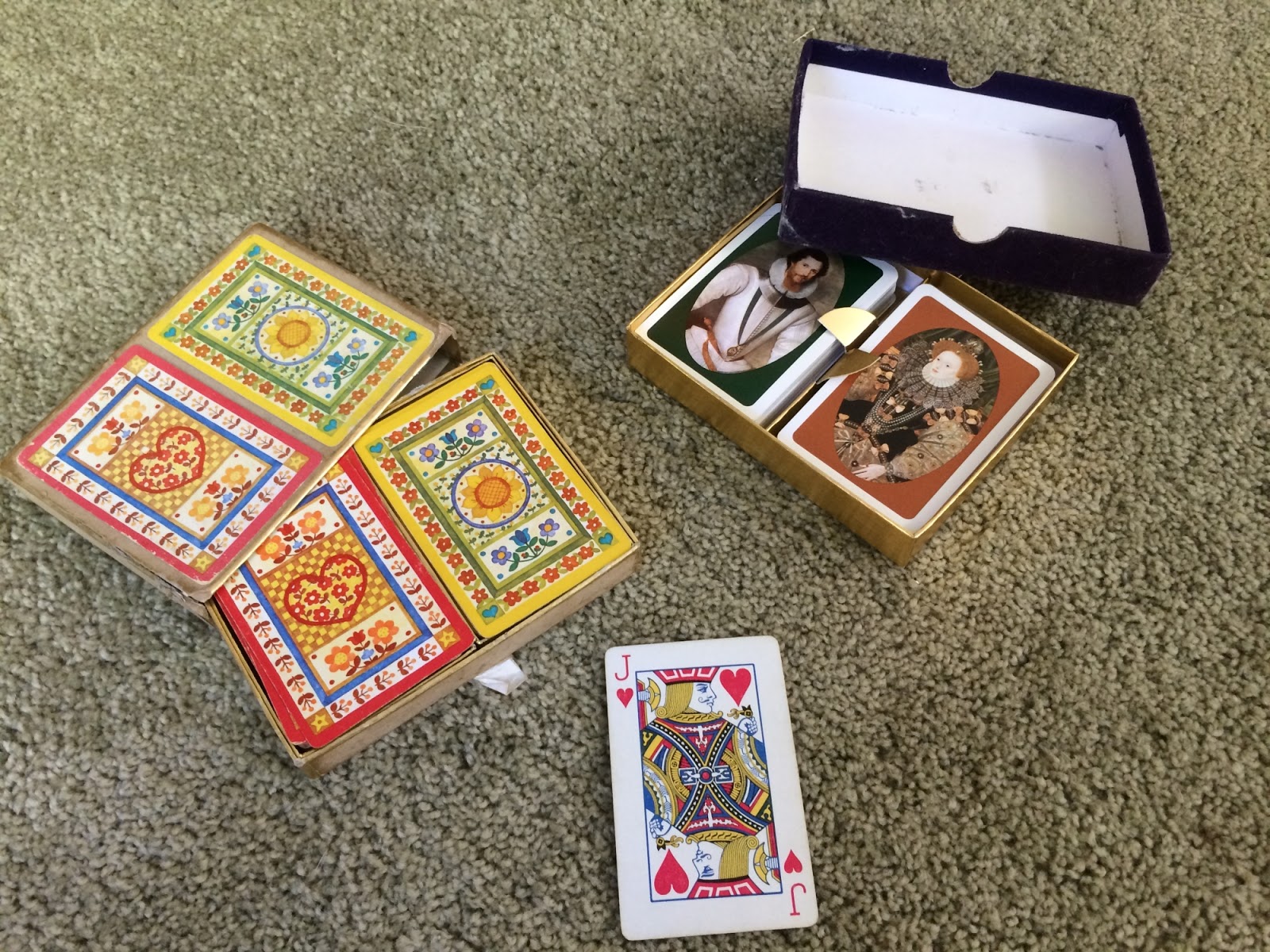
Cards with interesting backs
And if you don’t like card games, you can always build houses out of them.
Till next post.
The Dangers of “Updating” Your Décor


In the newspaper awhile ago, I saw an article titled: “Seven Ways to Update Your Décor”. And I said to myself, “Why on earth would I want to ‘update’ my décor?”
It makes sense to update things like computers and cell phones and smoke detectors—newer models are likely to have improved functioning. The same can’t generally be said for the latest thing in flooring or countertops or furniture. Mushroom-colored walls work about as well as walls that are off-white or hyacinth blue. So why “update” your interior?
The implied contrast is a “dated” look. Think of a room with wood paneling, a burnt-orange shag carpet, macrame plant hangers, … do I need to say more? Dated. But why is it “dated”?  Because at one time—I think it was in the seventies?–everyone had wood paneling and orange shag. This also explains why “dated” is a negative word. Like a song that gets played too many times on the radio (ooh—a dated simile, too!), the sheer overexposure burned people out on it.
Therein lies the problem. If you “update” your old flooring and counters to something that is currently popular, then in ten years (or less), your current choices will look “dated.” They will be “so terribly 2017”. So you’ll feel a need to “update” yet again.
Your décor should please you, the person who has to live with it. Admittedly, as a person living at a certain point in history, what pleases you is likely to have some similarity to what pleases other people at that point in history. Maybe your group is all madly into Dr. Who, or Game of Thrones, or a certain rustic look, or whatever.  Okay, take advantage of the availability of blue time-box prints and heraldic signs if you want. Understand that some of your tastes will change over time, and so will some of the things you surround yourself with. Maybe you really like light gray paint, or ice blue. If so, this may be a good year to get out the brushes.
But don’t change your décor simply because it’s fallen out of fashion. If you’re planning to sell your house in the very near future, that’s another story. Then you aren’t doing it for yourself at all. But otherwise, why step onto the “update” treadmill in the first place?

Making the Mini-backpack–an adventure in sewing a small bag

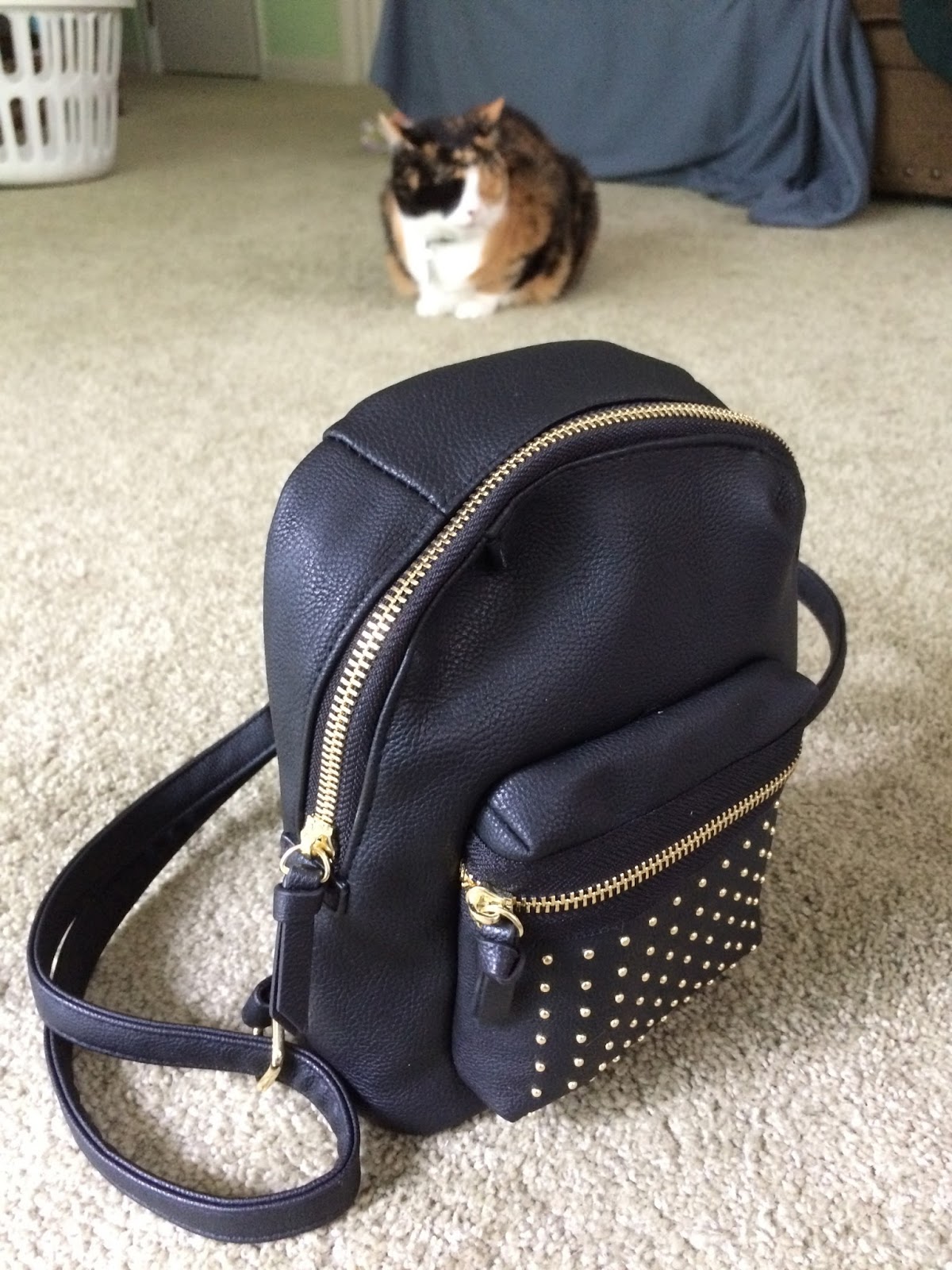
It all started when I found a mini-backpack to use as my new purse. I liked the shiny gold studs on the outer pocket. But even more than that, I liked its size. I wanted to make myself more mini-backpacks. Maybe I could make something really nice (and also washable!)

Black mini-backpack
The new purse

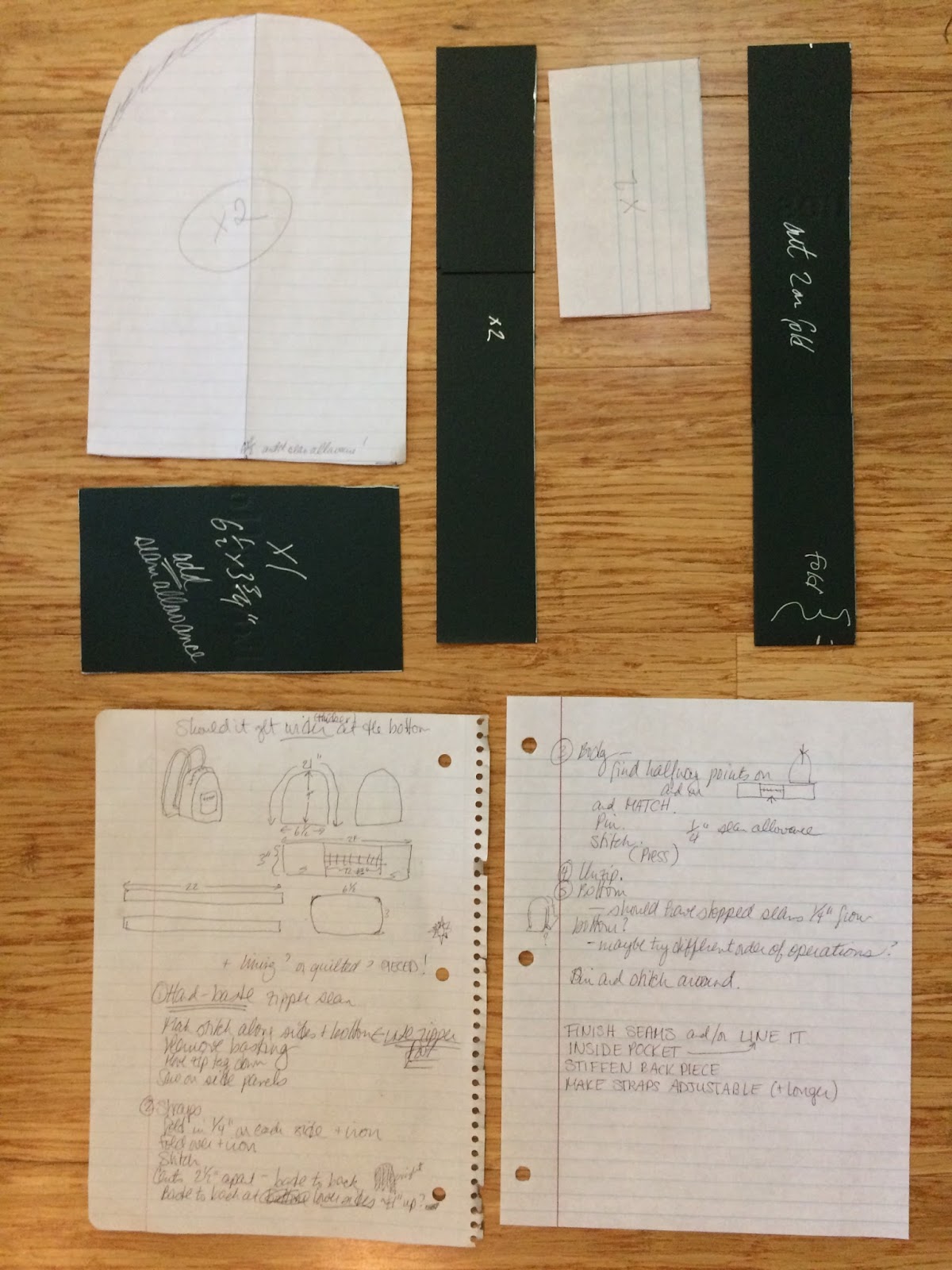
So I drew up a pattern, with approximate measurements, and decided to go ahead and put one together using fabric from a second-hand tablecloth and a zipper from the plastic case that a sheet came in. It was about the right length, and I already had it.

The pattern pieces and resulting list of steps.

I did have a bit of a problem with regard to pressing the seams. After ironing the pieces, and getting the straps made and the zipper installed, I discovered that my right arm was starting to hurt again. My frozen right shoulder has gotten past the freezing stage (stage 1), and though the shoulder no longer hurts, I still have limited range of motion. Trying to handle a heavy iron on the (relatively) high surface of the ironing board was probably too much. So I didn’t press the rest of the seams, except with my fingers.

I didn’t include the seam allowance (1/4″, which isn’t much) in the pattern pieces, and the result of eyeballing it was that my pattern pieces didn’t match precisely. Or even close to precisely. Clearly that is one of the areas for improvement.

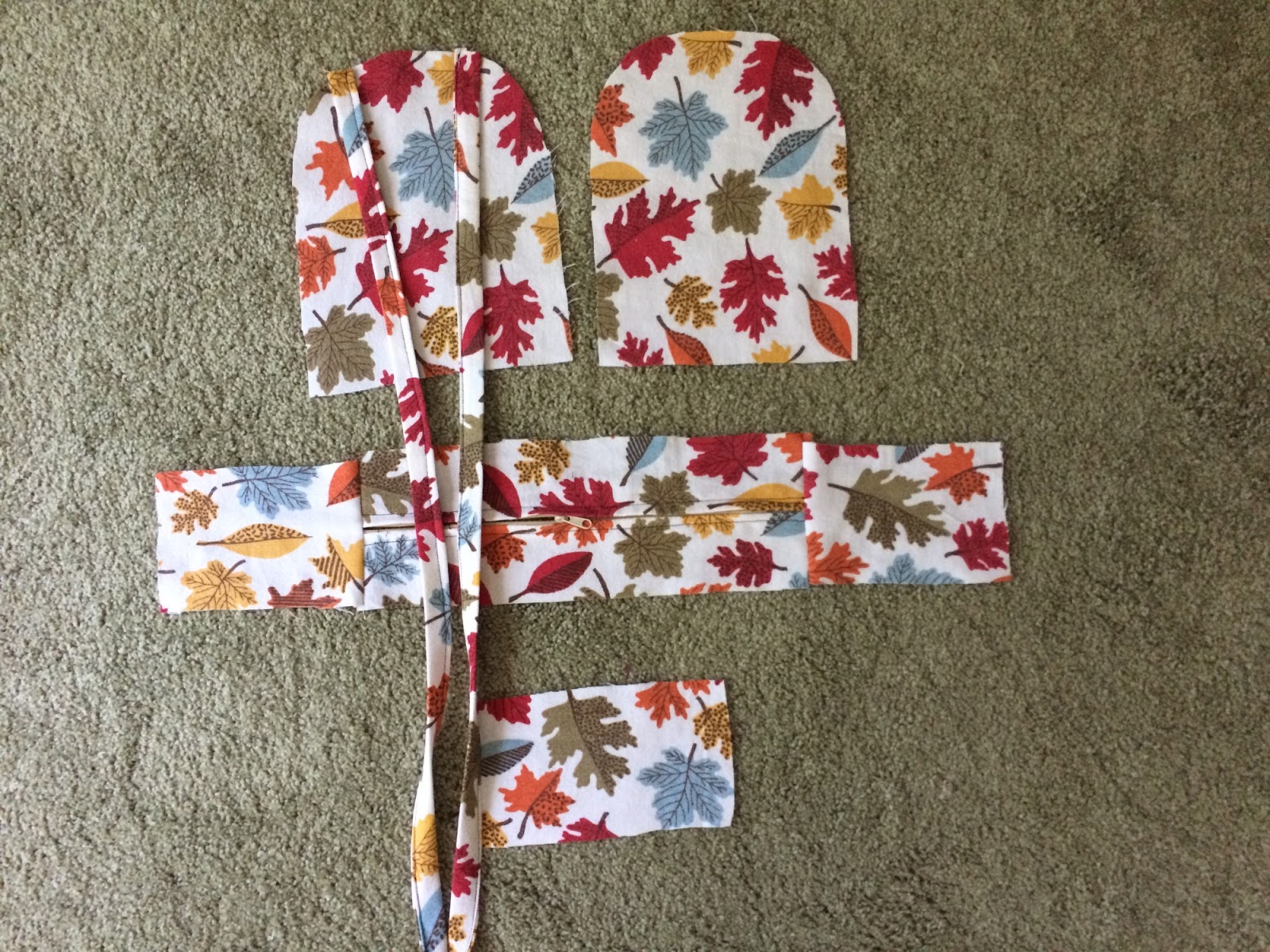
The pieces after I stitched the zipper and straps.

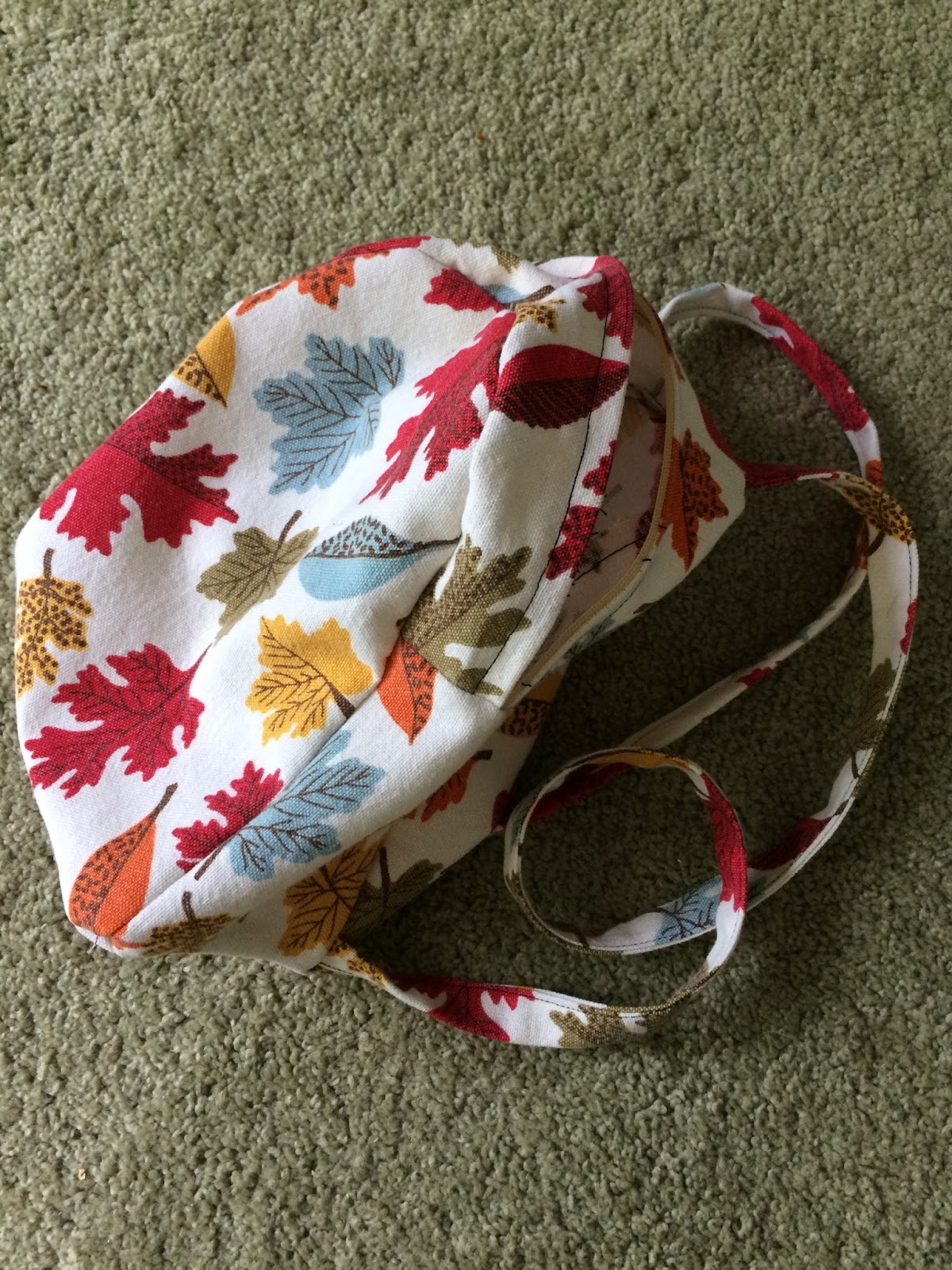
Here is the resulting backpack. You can see that the backpack is floppy (no surprise) and can’t stand up. That’s another thing to fix.

Floppy mini-backpack

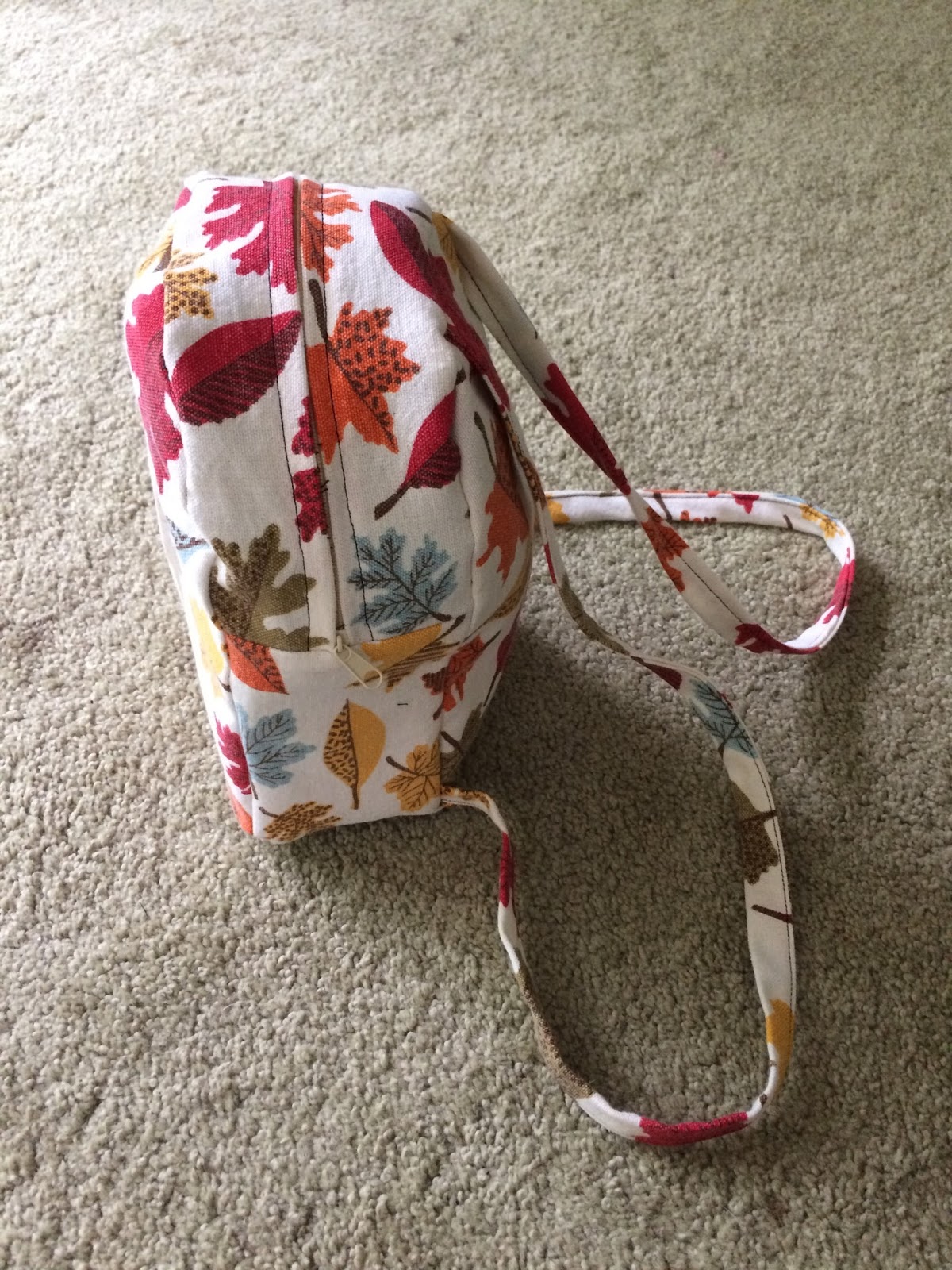
Then a photo of it stuffed with air pillows (the kind used in packaging).

Stuffed mini-backpack

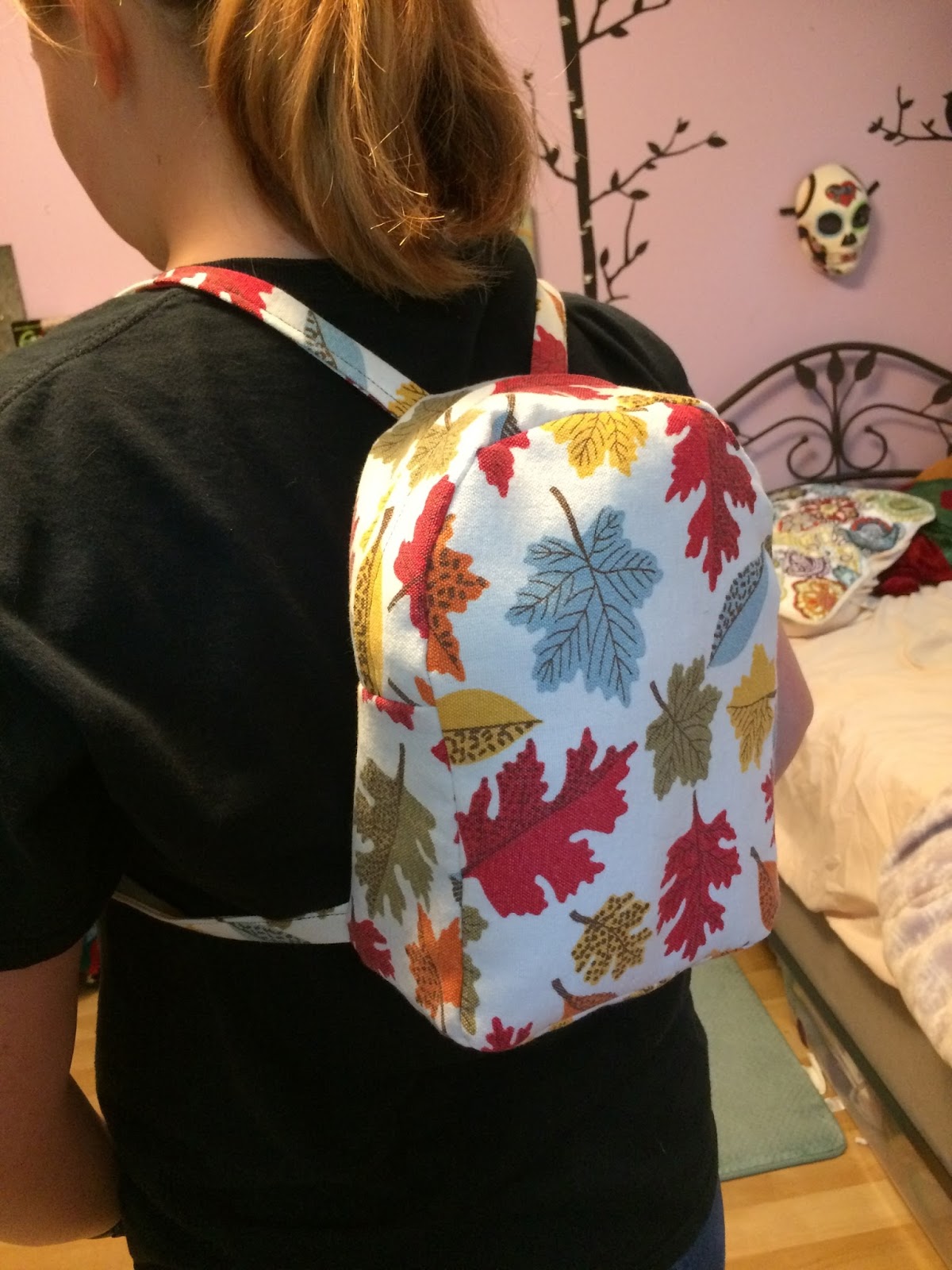
Here is my daughter modeling the mini-backpack. Area for improvement #3–make the straps adjustable (and longer.)

Girl wearing home-sewn mini-backpack

One other thing I might change next time is the order in which I put the pieces together. Maybe I should try attaching the bottom to the sides, then the front and back, instead of starting by attaching the sides to the front and back, then adding the bottom. I’ll have to think about it.

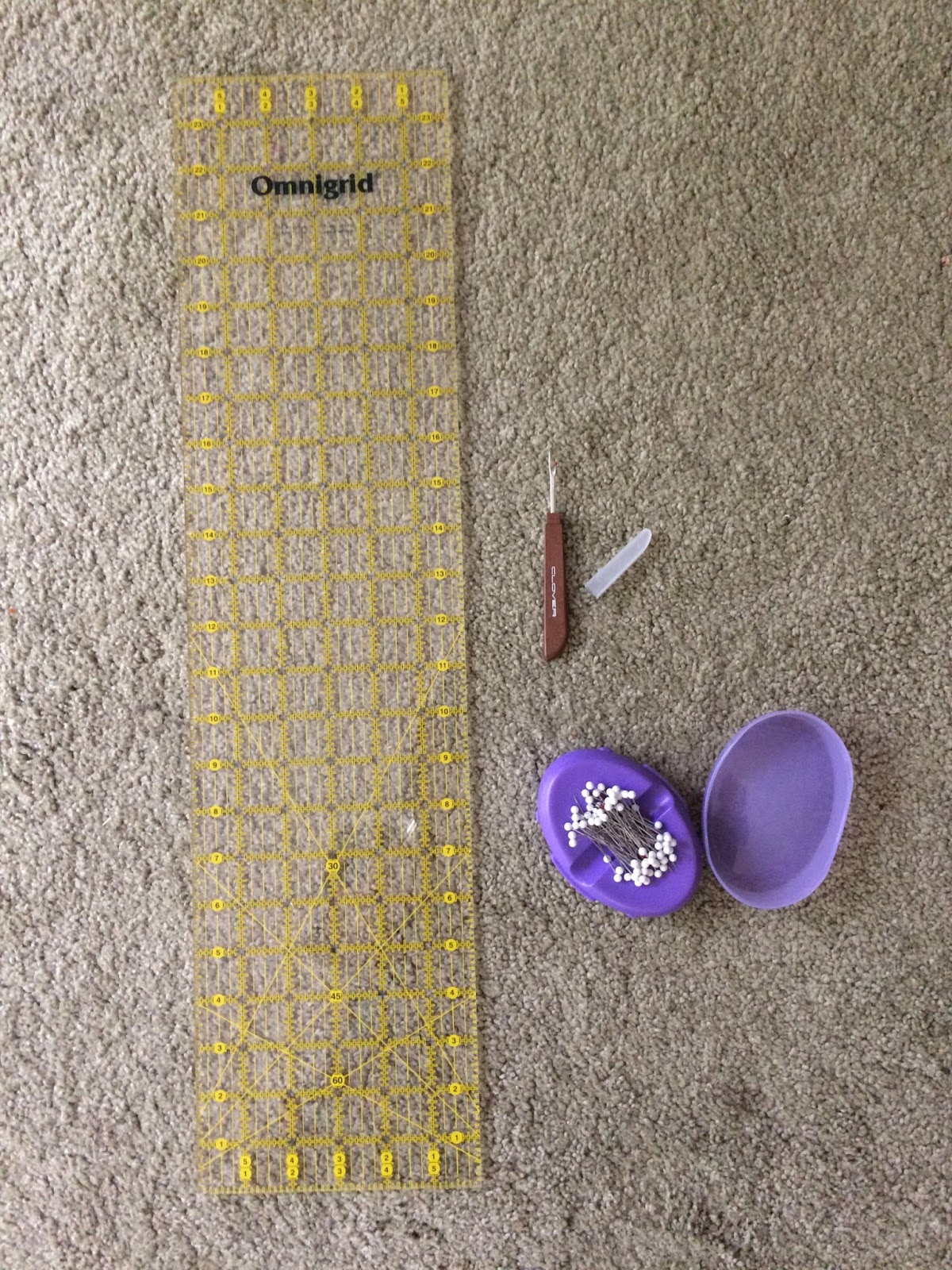
While I’m writing about sewing, I’d like to mention three of my favorite sewing tools. Everyone knows how useful a seam ripper can be, and I certainly use it a lot. I also have a magnetic pin case. It helps me scoop up a lot of loose pins at a time, and keeps them from spilling. Finally, I highly recommend quilting rulers if you need to cut squares and rectangles, or mark lines at right angles. It doesn’t just help with sewing, either–it’s good when you need to draw lines on paper. No more having to mark lengths on top and bottom, right and left side, before drawing the lines.

My favorite sewing tools

Back to the mini-backpack. Here’s the list of improvements for next time:

1) Include seam allowance on pattern pieces and make sure they match up.

2) Find a way to stiffen the back piece.

3) Make straps longer and adjustable.

4) Try a different order of operations.

5) Finish seams and/or add a lining.

6) Extra pockets!! Outside or inside. Or both.

At this point, you might be wondering why I didn’t just get a pattern for a mini-backpack off the internet. I know they are out there. All I can really say is–I wanted it to be a particular size, with a zipper top, and maybe I didn’t want to search for a pattern that fit those criteria. Or maybe I just like constructing patterns. (I was going to say “reconstructing”, but if you look closely you will notice I did not actually follow the pattern used for the original black bag.)

No idea when I’ll make version 2. I still haven’t gotten to the next version of the grocery bag.