
I’ve hardly been bored at all for the past fifteen years.
On the face of it, that sounds great. Admittedly, for the first of those years, M was very young. There were not a lot of boring moments. On those occasions when I was on my own with nothing to do–say, waiting in the dentist’s office—I enjoyed blissful peace and quiet. Enjoying peace and quiet is not the same as being bored.
But even now that M is a teenager who is busy with her own life and isn’t hanging around saying, “Mommy, play with me,”, I am still not bored.
I would like to take credit for this and pretend that it is a mark of superiority, but the fact is—is anyone bored any more?
Okay, that’s going too far. Students trapped in an unusually dreary class and employees stuck in a long meeting may indeed be bored. Various kinds of work may be boring, more or less. But is anyone bored on their own time? Entertainment is just a smartphone away.
Given a connection, the internet has something for everyone. Music. Music videos. Netflix, if you have a subscription. Youtube and a selection of TV shows from broadcast networks if you don’t. Blogs. News articles. Pretty pictures. Classics in e-book format, no library visit required.
One of my pastimes is typing semi-random terms into Google and seeing what I get. For instance, I just tried “quilting leaf print” and got a lot of listings of available fabrics and a couple of quilters’ blogs, complete with some nice photos of their projects. “Mints garden formal” didn’t give me much of interest, but “garden mint projects” gave me a recipe for mint-flavored sugar, among other things.

So I am rarely bored. But is that as good as it sounds? Perhaps a little boredom is motivating. Instead of entering terms into Google, or watching “The Finder” on Netflix, I could be messing around with actual mint leaves or working on one of my existing quilt projects. It’s just a lot easier to surf the web.
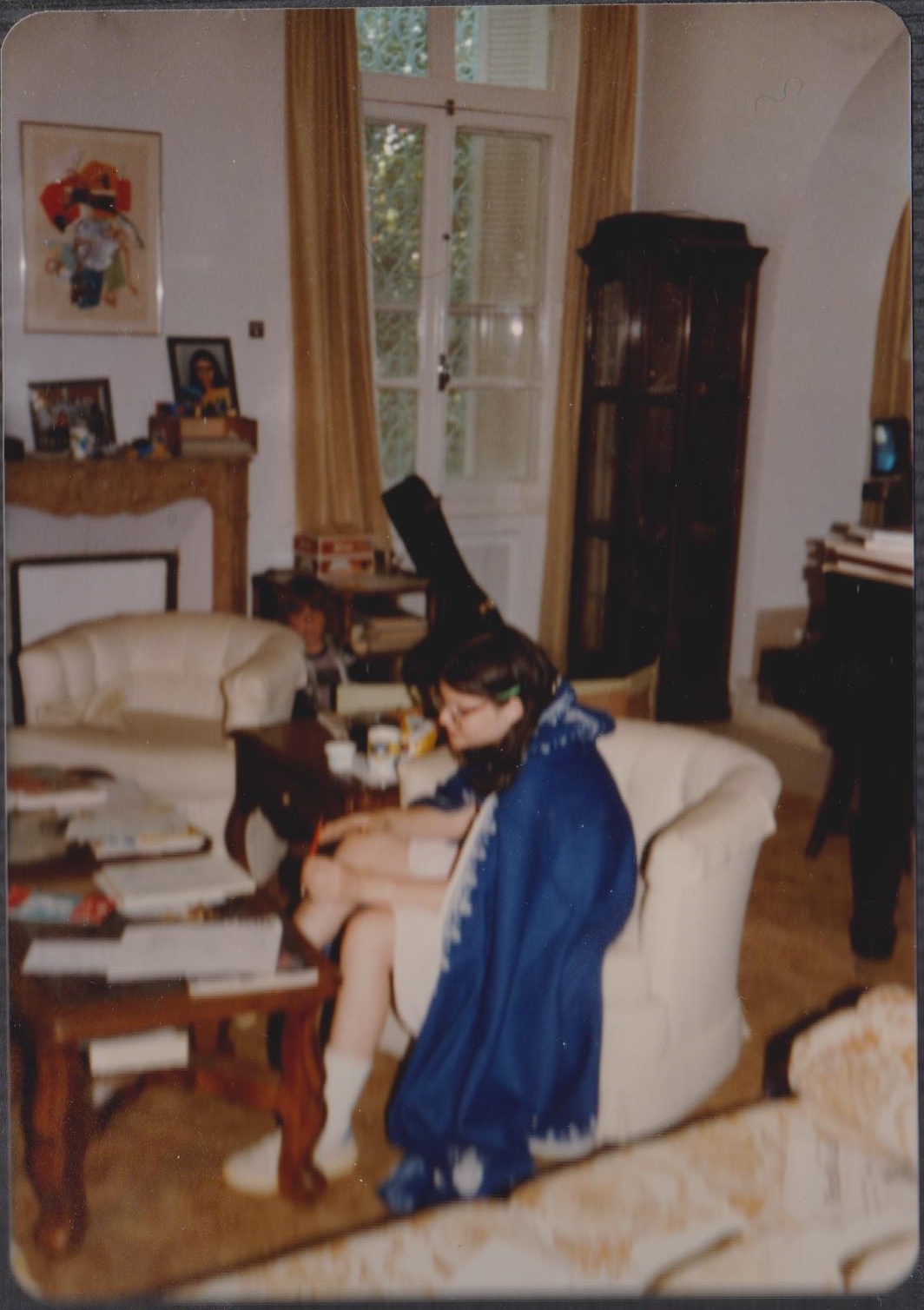
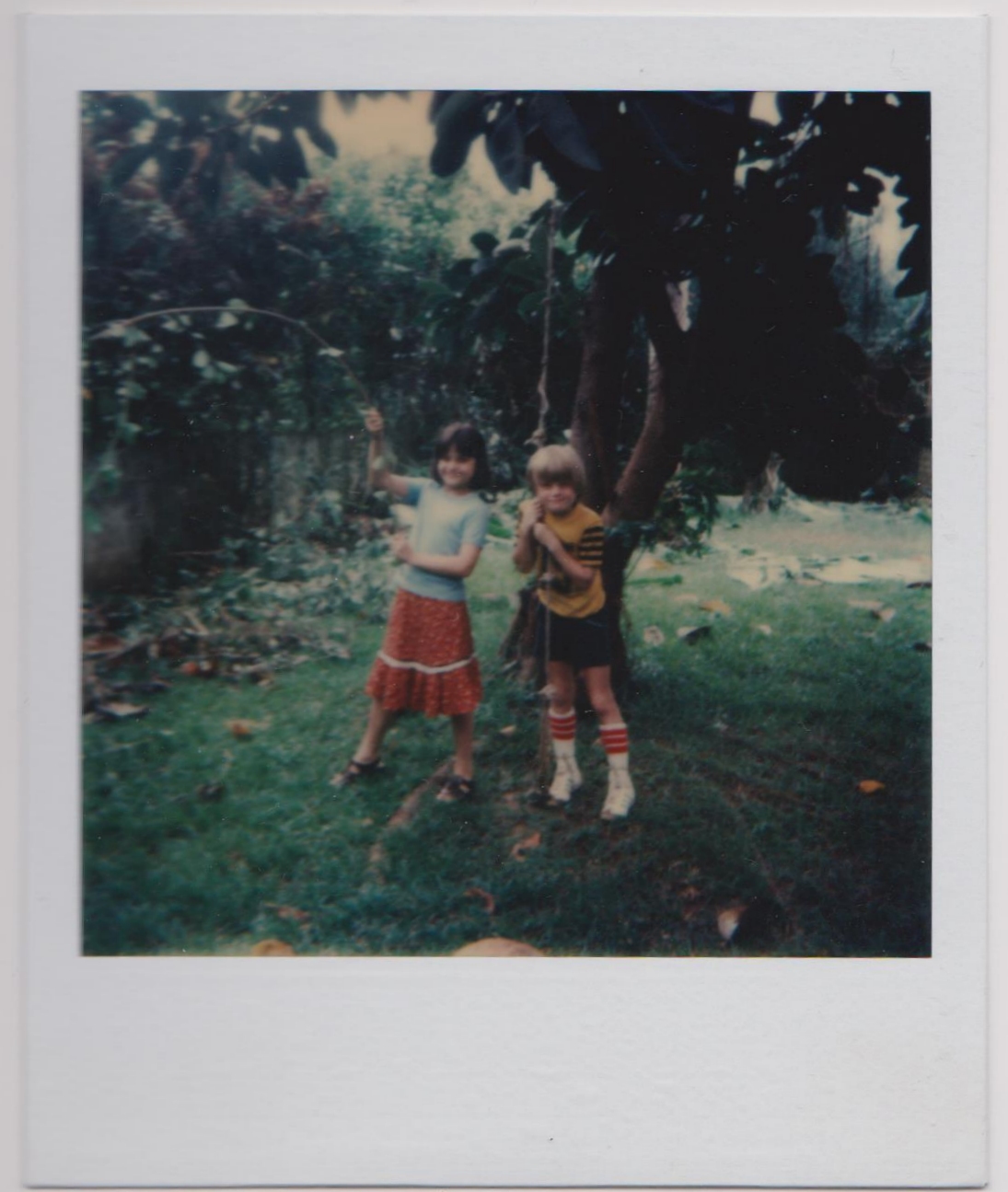 Entertainment wasn’t always so accessible. From age ten to fourteen, I was overseas with my family. There was very little available on television, and most of it was in French. I had my books, but the only real library I could use was the one at school. I read a lot, and re-read, and browsed the kids’ encyclopedia the way I now browse the internet, but I also drew, wrote, sewed, played games with my brother, tried to make moccasins out of fake leather, tried to make fake leather from cardboard and soap (remember neather, G?), and swung on a rope from a rubber tree till the knot slipped (fortunately it was close to the ground.) Sometimes I was bored and pestered my mom while she was trying to read—“I’m bored!”—and then dismissed every suggestion she made (poor mom!), but eventually I would find something to do. A kid can only be bored for so long before something starts to look interesting.
I guess this is a roundabout way of saying that maybe I’m spending too much time browsing the internet, and maybe also too much time flipping through magazines and newspapers without really taking time to digest what I’m reading.
Maybe, if I find myself opening up my browser with no real purpose in mind, I should stop and let myself be bored for a little while. I doubt I’ll be able to stand it for very long without finding something to do.
Boredom is the mother of invention.
Till next post.
…..

 Ravens and Pears